Black Mold Removal Services in Louisville
Have a provider look at the growth
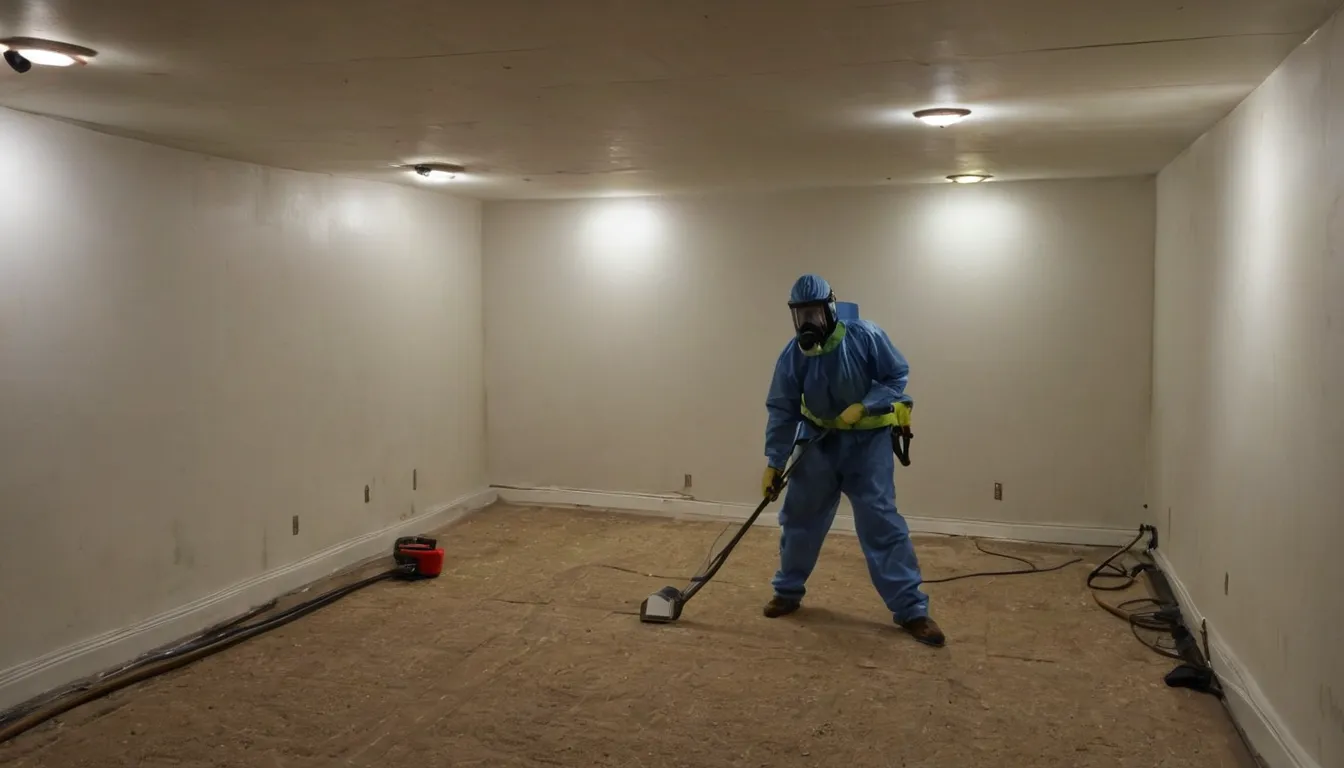
Black mold is a common name for dark green or black growth that shows up on wet drywall, wood, grout and ceiling tiles. Many kinds of mold look dark, so color alone does not tell you the type. Crimsonguide Mold Help is a referral service that connects homeowners in the Louisville area with independent local providers who handle black mold remediation. The provider you hire does the work and sets the price.
This page explains what to do when you first spot dark growth, where it tends to show up, which small spots a homeowner can clean and when a provider with containment gear is the wiser choice. It also covers why bleach often falls short on porous materials, what happens to your belongings and what to ask a provider before work starts.
Spotted Dark Growth? First Steps
Leave it alone for now. Scrubbing hard or scraping dry growth can send spores into the air. Close the room off if you can and keep pets and kids out. Then look for the water source. Dark growth nearly always sits on something that has stayed wet for a while.
What People Mean by Black Mold
Most people use the term for any dark mold. One species that often gets the name grows on materials that stay soaked for a long time, such as drywall after a slow leak. Other dark molds look nearly the same. Only a lab can tell them apart, and in most cases the removal plan is the same either way.
Health Questions
We cannot give medical advice. If you have questions about mold and anyone in your home, please talk to a doctor.
Where It Tends to Grow
Basements and Crawl Spaces
Below-grade walls stay cool and damp, especially in humid summers. Block foundations and unsealed floors can wick in groundwater.
Bathrooms
Poor venting lets steam settle on ceilings and behind tile. Leaks around tubs and toilets soak the subfloor.
Behind Walls
Sweating cold-water pipes and slow drips from old fittings can feed growth inside a wall for months before a stain shows.
Around Windows and Attics
Condensation on older windows and roof leaks after ice and snow can wet framing and insulation.
What a Homeowner Can Clean
A small dark spot on tile, a sink caulk line or a painted window sill is often a DIY job. Wear gloves, goggles and a snug mask. Open a window. Clean with detergent and water, scrub gently, then dry the area well. Bag the rags and throw them out. If the spot comes back in a few weeks, treat that as a sign of a moisture problem you cannot see.
Why Bleach Often Falls Short
Bleach can lighten the stain on a hard surface. On drywall, wood and other porous materials, the water in bleach soaks in while the growth below the surface stays. The spot may look clean for a while and then return. Porous material with deep growth usually needs to be cut out and replaced.
How Providers Handle Removal
A typical job follows a set order:
- Measure moisture and mark the edges of the growth
- Seal the area with plastic and set up an air scrubber
- Cut out and bag damaged drywall, insulation or carpet
- HEPA vacuum and clean framing and nearby surfaces
- Dry the space with fans and dehumidifiers
- Recheck moisture before rebuilding
Ask for the plan in writing so you know which materials will come out.
Older Homes Need Extra Care
In older houses, dark growth may sit behind plaster, old paneling or layers of flooring laid over the years. Aging cast-iron drains and galvanized lines can weep slowly into walls. Very old materials may also contain lead paint or asbestos. A careful provider asks about the age of the house and tests before opening suspect walls.
Fixing the Water Behind It
Removal only lasts if the source gets fixed. That could mean a new supply line, a regraded yard, a sump pump, a vapor barrier in the crawl space or a bath fan that vents outside. Some providers handle repairs. Others refer you to a plumber or roofer.
What Happens to Your Things
Hard items such as glass, metal and sealed furniture can often be cleaned. Soft items such as mattresses, upholstered chairs and cardboard boxes that hold dark growth are often thrown out. Ask the provider which items they think can be saved. For insurance, some policies may cover mold tied to a sudden water event, so check your policy. Providers can often help document damage for a claim.
Questions for the Provider
- How will you contain the work area?
- Which materials will you remove, and why?
- How will you confirm the area is dry before rebuilding?
- Does the price include repairs, or only removal?
Ready to talk it over? Request a callback to check provider availability near you.
What's Included
Growth and Moisture Check
The provider maps how far the dark growth reaches and where the water comes from.
Sealed Work Zone
Plastic barriers and filtered air help keep spores from drifting into the rest of the house.
Material Removal
Stained drywall, insulation or flooring is cut out and bagged for disposal.
Cleaning and Drying
Framing is vacuumed and cleaned, then dried with fans and dehumidifiers.
Rough Costs for Black Mold Removal
The cost depends on how far the growth has spread, what it is growing on and what repairs follow. These are general U.S. ranges. Get a written quote before agreeing to any work.
| Area | Typical U.S. range | Notes |
|---|---|---|
| Small wall section | $400 to $1,200 | A few square feet of drywall |
| Bathroom ceiling and walls | $1,000 to $3,500 | Often tied to poor venting |
| Finished basement | $2,000 to $7,000 | Drywall and carpet often removed |
| Crawl space | $1,500 to $5,500 | May need a vapor barrier |
| Attic sheathing | $1,500 to $4,500 | Roof or vent repairs extra |
| Rebuild after removal | $500 to $5,000+ | Drywall, paint and trim |
How It Works
Describe the Growth
Tell us where the dark mold is, about how big it looks and if there was a leak.
Schedule a Provider Visit
A local independent provider comes out to inspect the area in person.
Agree on the Plan
Review the written scope and price before any removal begins.
Removal, Drying and Recheck
The provider removes the growth, dries the space and checks moisture again.
Why Call Crimsonguide Mold Help
Calm, Clear Advice
Providers can explain what the dark growth is likely to be and what removal involves.
Proper Containment
Sealing off the work area helps keep spores from spreading to rooms that were clean.
Root Cause
A good plan fixes the moisture so the growth is less likely to return.
Your Pace
Compare quotes and ask questions. There is no obligation to hire anyone.
Other Services
Need black mold removal services in Louisville?
Tell us where you spotted the mold and how long the area has stayed damp. We can point you to an independent local provider who can take a look.
No obligationBlack Mold Removal Services FAQ
How can I tell if it is black mold?
You cannot tell the species by looking. Many molds look dark green or black. A lab test can identify it, but for most homes the removal plan stays the same, so testing is often optional.
Can I clean black mold with vinegar or bleach?
On small spots on hard, sealed surfaces, a detergent or mild cleaner often works. On drywall or wood, the growth goes below the surface, so cleaning only the top tends to fail. Those materials usually need removal.
How long does black mold removal take?
Small areas may take a day or two. Basements and crawl spaces can take several days, plus drying time. The provider should give you an estimated schedule with the quote.
Get in touch
Tell us where you spotted the mold and how long the area has stayed damp. We can point you to an independent local provider who can take a look.
No obligation