Mold Remediation for Houses in Louisville
Talk with a local remediation provider
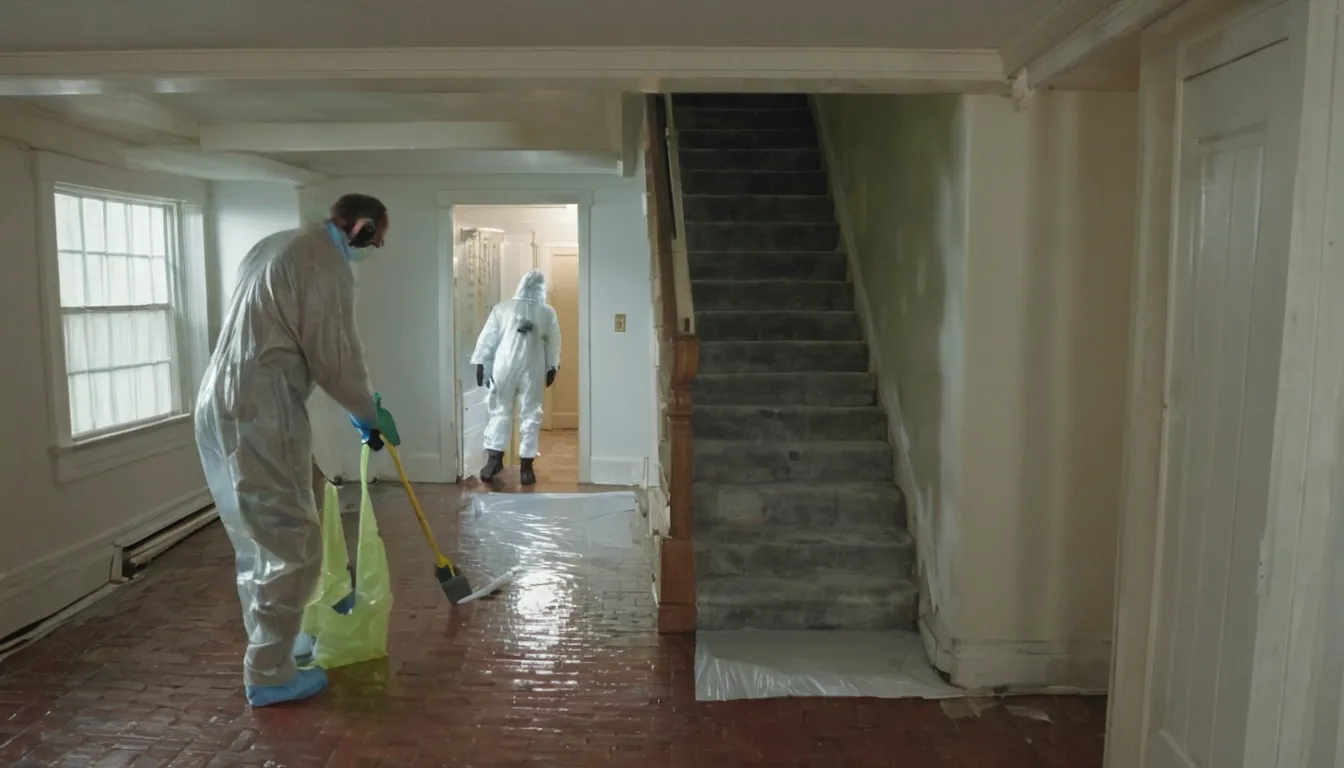
Mold remediation is the process of finding growth, sealing off the affected area, removing damaged material and drying the space so mold does not return. It goes well past wiping a stain. Crimsonguide Mold Help is a referral service that connects homeowners in the Louisville area with independent local providers who handle residential mold removal. The provider you choose does the work and sets the price.
This page walks through what to do first, which jobs a homeowner can take on and which ones call for equipment and training. You will also find what a typical remediation visit looks like, how older houses change the plan, rough U.S. cost ranges and a few questions worth asking before you sign anything. Take it one section at a time. There is no need to have every answer before you reach out.
Found Mold Spreading? Begin Here
First, try not to disturb it. Scraping, sanding or running a shop vacuum over growth can push spores into the air and into other rooms. Close the door to the space if you can, and turn off any fan that blows air from that room into the rest of the house.
Next, look for water. Is there a drip under a sink, a damp patch on a basement wall, or a ceiling stain under a bathroom? Mold almost always points to moisture. Note what you see and take a few photos.
Why Waiting Makes It Harder
Mold keeps growing as long as the material stays wet. A patch on the face of drywall can work its way into the paper backing, then into the framing behind it. Each week a leak runs, the area that needs to come out tends to get larger. Acting sooner usually means a smaller job and a smaller bill.
Your Part, Their Part
Some mold work is fine for a homeowner. Other work belongs to a provider with the right gear.
Jobs You Can Usually Handle
- Small spots, under about ten square feet, on tile, glass, sealed wood or metal
- Wiping window sills and shower grout with soap and water
- Running a dehumidifier and fixing an obvious drip
- Clearing gutters and turning downspouts away from the foundation
Jobs for a Provider
- Growth on drywall, carpet, ceiling tiles or insulation
- Patches larger than a few feet across
- Mold inside walls, crawl spaces, attics or HVAC ducts
- Any spot that returns after you cleaned it
If you are unsure, it is okay to ask a provider to look before you pick up a brush.
What a Remediation Job Looks Like
Most providers follow a similar order. They inspect and measure moisture, set up containment, remove material that cannot be cleaned, clean surfaces that stay, then dry the space. Many will check moisture levels again before calling the job finished. Ask for this plan in writing.
Why Containment Comes First
Containment means sealing the work area with plastic sheeting and often running an air scrubber with negative pressure. This keeps spores inside the work zone while walls or floors come out. A provider who skips containment on a large job can spread the problem to clean rooms.
Start With the Dampness
Cleaning without fixing the water source tends to bring the mold back. A provider may find a leaking supply line, a clogged gutter, a missing vapor barrier in a crawl space or poor bathroom venting. Some remediation providers also handle the repair. Others will point you to a plumber or roofer for that part.
Older Walls, Careful Hands
Older houses in the region often have plaster walls, basements that were never sealed, and cast-iron or galvanized pipes that have sweated for decades. Past owners may have covered water damage with paneling or fresh paint. When a provider opens a wall in a house like this, they may find more than expected. Ask how they handle surprises and whether the price can change once a wall is open.
Very old homes may also contain lead paint or asbestos in plaster, tile or pipe wrap. A careful provider will ask about the age of the house and test before cutting into suspect materials.
Insurance Questions
Some homeowner policies may cover mold tied to a sudden event, such as a burst pipe. Gradual leaks and long-term dampness are often treated differently. Check your policy and talk with your agent. Providers can often help you document the damage with photos and moisture readings for a claim.
A Word on Health
We cannot give medical advice. If you have questions about how mold might affect anyone in your home, please talk to a doctor.
Picking a Provider
Ask how long they have done residential mold removal, what training they hold, and whether they carry liability insurance. Ask who will do the work and how they protect the rest of the house. A clear written scope is a good sign. Vague promises are a reason to keep looking.
After the Work Is Done
Keep indoor humidity low in summer with a dehumidifier or air conditioning. Run bath fans during and after showers. Check the basement after heavy storms and during the spring thaw. If a musty smell comes back, Request a callback to check provider availability, or reach out through the estimate form.
What's Included
Moisture Source Check
The provider looks for the leak or damp area feeding the growth before planning any removal.
Sealed Off Work Area
Plastic sheeting and air scrubbers help keep spores inside the room where work is happening.
Material Removal
Damaged drywall, carpet or insulation is cut out and bagged for disposal.
Cleaning and Drying Out
Remaining surfaces are cleaned, then fans and dehumidifiers bring moisture back down.
What Mold Remediation Typically Costs
Prices depend on the size of the area, what material the mold sits on, how easy it is to reach and what repairs follow. These are rough U.S. ranges only. Get a written quote from the provider before work starts.
| Job | Typical U.S. range | Notes |
|---|---|---|
| Small area, under 10 sq ft | $300 to $1,000 | Often a single wall section or closet |
| Bathroom or laundry room | $1,000 to $3,500 | May include drywall and ceiling removal |
| Basement remediation | $1,500 to $6,000 | Size and dampness drive the price |
| Crawl space treatment | $1,500 to $5,000 | Vapor barrier work adds cost |
| Attic remediation | $1,500 to $4,500 | Ventilation fixes may be extra |
| Post-work clearance test | $250 to $600 | Optional lab check after cleanup |
How It Works
Share What You See
Tell us where the mold is, how large it looks and whether there was a recent leak.
Meet a Local Provider
An independent provider who serves your area can set up a visit to look in person.
Review the Written Plan
Read the scope and price, ask questions, and decide if it fits your home.
Work and Final Check
The provider contains, removes, cleans and dries, then checks moisture levels again.
Why Call Crimsonguide Mold Help
Plain Explanations
Providers can explain what they found and why each step matters, in words that make sense.
Written Scope
You get a written plan and price to read before agreeing to any removal work.
Older-Home Awareness
Providers who work around the Louisville area are used to plaster, old pipes and damp basements.
Your Decision
There is no obligation to hire. Compare quotes and take the time you need.
Other Services
Need mold remediation in Louisville?
Tell us where you spotted the mold and how long the area has stayed damp. We can point you to an independent local provider who can take a look.
No obligationMold Remediation FAQ
How long does mold remediation take?
A small room may take one to three days, including drying time. Larger jobs in basements or crawl spaces can take a week or more. The provider should give you a time estimate along with the written quote.
Can I stay home during mold remediation?
Many families stay home while work happens in a sealed area of the house. For larger jobs, the provider may suggest staying elsewhere for a few days. Ask what they recommend for your situation, and talk to a doctor with any health questions.
Will mold come back after remediation?
It can return if the moisture problem stays. That is why fixing leaks, improving airflow and keeping humidity in check matter as much as the removal itself. Ask the provider what you can do to keep the area dry afterward.
Get in touch
Tell us where you spotted the mold and how long the area has stayed damp. We can point you to an independent local provider who can take a look.
No obligation