Mold Inspection and Testing in Louisville
Ask a local inspector about a visit
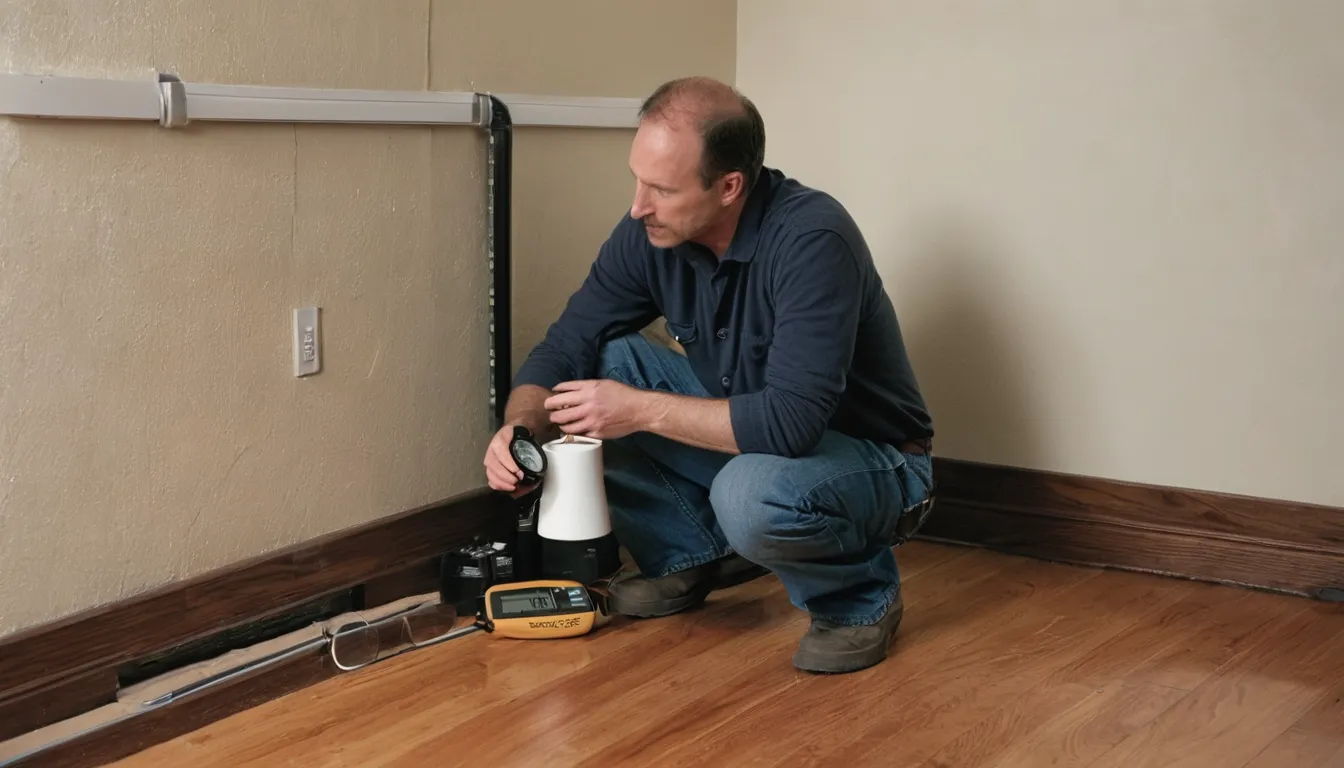
A mold inspection is a careful look through your home for growth and for the moisture that feeds it. Testing adds lab analysis of air or surface samples. Crimsonguide Mold Help is a referral service that connects homeowners in the Louisville area with independent local providers who offer inspection and certified mold testing. The provider sets the price and does the work.
On this page you can read when an inspection is worth the money, what happens during a visit, which tests are common and how to read a lab report without getting lost in it. We also cover what you can check on your own before booking anyone, and the questions to ask an inspector so you know what you are paying for.
Smell Mold but Can't Find It?
A musty odor that lingers, a stain that keeps growing, or warped trim near the floor can all hint at hidden moisture. Before anything else, write down where you notice it and when. Does it get worse after rain? Is it strongest in the basement or near one bathroom? These notes help an inspector focus.
What You Can Check Yourself
You do not need special tools for a first look. A flashlight and a few minutes go a long way.
- Look under sinks and around the base of toilets
- Check basement walls and corners after a heavy rain
- Peek into the crawl space hatch if it is easy to reach
- Watch for peeling paint, bubbled drywall or soft spots
- Use a cheap hygrometer to see if indoor humidity stays above about 60 percent
If you find growth you can see and you know where the water came from, you may not need testing at all.
When an Inspection Helps
It makes sense to bring in a provider when the source is a mystery, when you are buying or selling a house, after a flood or long leak, or when you want proof that past remediation worked. It also helps in older homes where walls have been patched many times.
What Happens During a Visit
The Walk Through
Most inspectors start outside, looking at gutters, grading and the foundation. Inside, they move room by room and ask about past leaks.
Moisture Readings
A moisture meter shows wet spots in drywall, wood and flooring. Some providers use a thermal camera to spot cool, damp areas behind surfaces.
Looking Behind Surfaces
If readings are high, the inspector may suggest a small opening in a wall or a borescope to look inside. Ask before they cut.
Common Testing Methods
Air Samples
A pump draws air through a cassette, often in a few rooms and once outdoors for comparison. The lab counts spores and identifies types.
Surface Samples
Swabs or tape lifts collect material from a visible spot. These help confirm what a patch is.
Bulk Samples
A small piece of drywall, carpet or insulation goes to the lab. This is less common in homes.
Reading Your Results
Lab reports can look confusing. Most compare indoor samples with the outdoor sample. Higher indoor numbers or types that are rare outside can suggest a moisture problem inside. Ask the inspector to walk you through each line. They should explain what the numbers mean for your house without leaning on scare words.
We cannot give medical advice. If you have questions about how test results relate to anyone's health, please talk to a doctor.
Older Homes and Hidden Moisture
Houses with aging cast-iron drains, galvanized supply lines, stone or block foundations, and layers of past repairs often hold moisture in places you cannot see. An inspector who works in older homes knows to check behind paneling, under old flooring and along basement walls where pipes run.
Separate Inspector or Same Company?
Some homeowners prefer an inspector who does not also do the removal work. That way the person writing the report has no stake in how big the job turns out. Others are fine with one company handling both. Either choice is reasonable. Just ask the provider how they handle it.
Getting Ready for the Visit
Keep windows closed and avoid running air purifiers for a day before air testing, unless the provider says otherwise. Do not clean visible mold right before the visit. Clear a path to the basement, attic hatch and crawl space so the inspector can reach them.
Questions Worth Asking
- What certifications or training do you hold?
- Which lab analyzes the samples?
- How many samples do you plan to take, and where?
- When will I get the written report?
- Will you explain what to do next?
If you would rather talk it through first, Request a callback to check provider availability in your part of the Louisville area.
What's Included
Visual Walk Through
The provider checks inside and outside the house for signs of water and visible growth.
Moisture Mapping With Meters
Meters and thermal cameras help find damp spots hiding behind walls and floors.
Lab Sample Collection Options
Air, swab or tape samples go to an outside lab for analysis.
Written Report
You get the findings in writing, with a plain explanation of what the provider saw.
Typical Costs for Mold Inspection and Testing
Inspection and testing prices vary with home size, the number of samples and the lab used. The ranges below are rough U.S. figures. Ask for a written quote that lists what is included before the visit.
| Service | Typical U.S. range | Notes |
|---|---|---|
| Visual inspection only | $200 to $400 | No lab samples taken |
| Inspection with air testing | $300 to $700 | Usually two to four samples |
| Each extra air sample | $75 to $150 | Depends on the lab |
| Surface swab or tape lift | $50 to $125 each | Confirms a visible spot |
| Thermal imaging add-on | $100 to $300 | Not offered by every provider |
| Clearance testing after cleanup | $250 to $600 | Checks that remediation worked |
How It Works
Note the Signs
Write down smells, stains and past leaks so the provider knows where to start looking.
Book a Visit
An independent provider who serves your area sets a time to come by.
Inspection and Sampling
The provider checks moisture, looks for growth and takes samples if needed.
Review the Written Report
Go over the findings together and decide on your next step.
Why Call Crimsonguide Mold Help
Clear Answers
An inspection can tell you whether there is a moisture problem and where it starts, so you stop guessing.
Plan Ahead
Findings help you decide whether a repair is small or needs a provider.
Lab Backing
Testing gives you numbers from an outside lab when you want them.
No Pressure
There is no obligation to hire anyone after the inspection is done.
Other Services
Need mold inspection and testing in Louisville?
Tell us where you spotted the mold and how long the area has stayed damp. We can point you to an independent local provider who can take a look.
No obligationMold Inspection and Testing FAQ
Do I need mold testing if I can already see mold?
Often you do not. If the growth is visible and you know the water source, a provider can usually plan cleanup without lab work. Testing is more helpful when the source is hidden, after a flood, or when you want proof that cleanup worked.
How long do mold test results take?
Many labs return results within a few business days. Rush options may cost more. Ask the provider when you can expect the written report and whether they will go over it with you.
Are home mold test kits worth it?
Store kits often show some mold growth because spores are in almost every home. They rarely tell you where the moisture is. A trained inspector with meters and an outdoor comparison sample usually gives a clearer picture.
Get in touch
Tell us where you spotted the mold and how long the area has stayed damp. We can point you to an independent local provider who can take a look.
No obligation